
This section of the river has met so many of my Yukon River dreams! As I launched out of Whitehorse a couple, Mary and Cole, and their dog Cedar, came down to launch as well. We said a quick hello before I set off. At that moment I didn’t know that this trio were going to become great friends and river buddies. While I was in Whitehorse I had also met Henrick and Moritz, from Germany, who are paddling together to the ocean like me. They also became good friends along this part of the journey.

But back to the river. First up, Lake LeBerge. It was on the horizon after only a day of paddling. From my experience on Atlin and Tagish, I was feeling a lot of nervous anticipation about how the lake would be. I paddled out of the river mouth and onto Lake LaBerge. Heavy fire smoke hung in the air from fires in British Columbia. Visibility was low, I was only able to see a few kilometers ahead. It gave the lake a mysterious feeling. But as the smoke hung heavy, there was barely a breath of wind. With water levels so low from an unusually warm winter, I had to paddle out wide around low points, until I was finally on the lake. It was beautiful. The only sadness was that the smoke hid many of the incredible mountains in the surroundings. Regardless, my two days paddling on Lake LaBerge were a world apart from my experiences of 50-70km hour winds earlier in the trip. The water was glassy, the camps were awesome and there were camp buddies all the way.
As I paddled off Lake LaBerge, I sighed a huge breath of relief and started the famous Thirty Mile section of the Yukon. This section is heritage listed and is celebrated for both the First Nations and colonial gold rush heritage that remains present in the area. There are many sites through this section where remnants of the gold rush buildings, mine sites and steamships remain. I didn’t actually know a lot about the gold rush here, and how many people occupied and lived in this area in the late 1800s and early 1900s. It’s really incredible to learn about and there is a lot of recorded history about the resilient people who came to this part of the continent.
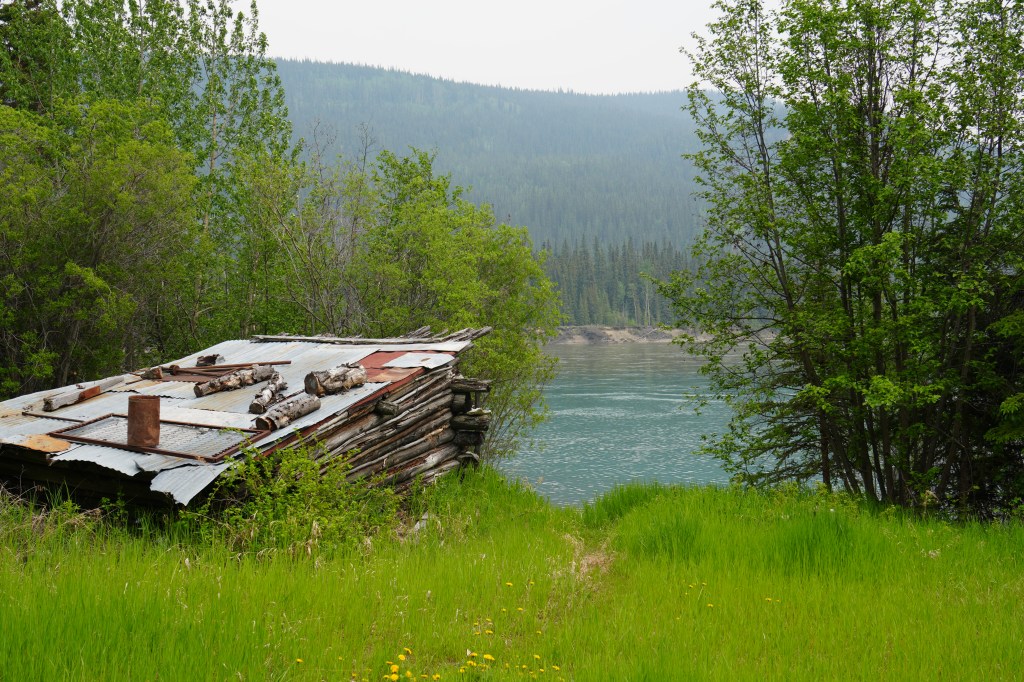
You may think you’re coming to untouched wilderness here, but during the gold rush the river was blown with dynamite to let steamships travel up and down the river. The mountains were cleared of timber to fuel the steamships and the rivers were mined for gold. After that, came the salmon fishery which has depleted the stocks here almost entirely. While the history of the gold rush here is celebrated, and I can see why these histories attract visitors from afar, they have come along with a lot of damage to the environment, and like many places, the dispossession of First Nations people. So it left me with complicated feelings. Despite all this, the other reason the Thirty Mile is so celebrated is because even with all that history, it is stunning. The water is clear, cold and blue. The current is strong and carries you down river with speed and joy. There are moose, beavers, birds, and critters everywhere. It is truly a spectacular part of nature. It was here that I remembered what it means to slow down, to appreciate nature and to focus on the experience and the kilometers to cover.
I had left Mary, Cole and Cedar behind on Lake LaBerge. They didn’t have lake trauma and were enjoying their time. So after camping with them for one night on the river and one night on the lake, I hadn’t seen them. Some days afterwards they caught up to me and I was really pleased. While we didn’t often paddle together, sharing camp and many stories, I got to know these fun, quirky Alaskans and really became great friends. They have both spent time guiding wilderness therapy and have a similar value for time in nature, care for each other and the world. They’re now ahead of me on the way to Eagle after I stopped for a rest day.
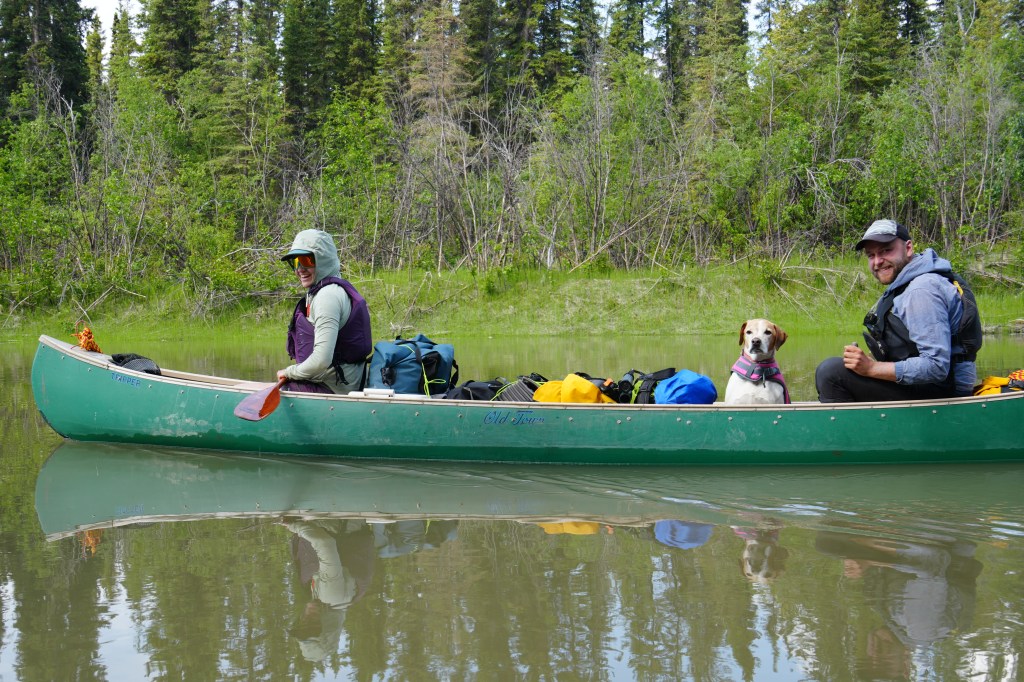
Moritz and Henrick have also become great river friends! They are on a very different time to me, and start paddling around lunch and paddle into the evening, which is not at all dark. The sun never really sets now. So we have been leap frogging each other each day. Sharing meals, I’ll have dinner, they have lunch. I have lunch, they have breakfast. They’re both friends from Germany who have been planning their Yukon journey for a while and are heading to the ocean. It’s great to know there will be some other friendly paddlers who will be out on the water in the Alaskan section of this journey! People who can share the tales, the laughs and the adventure!

After the Thirsty Mile the river keeps changing again and again. It gets bigger, wider, then smaller and sometimes braided. The sand/gravel bars emerge. Then more rivers join it. First you have the Big Salmon River at Hootalinqua, bringing in silt from the glaciers above. Then the little Salmon comes in. Soon enough you’re at Fort Selkirk. This is one of the few historic sites that have been really well preserved. There is a campground and a caretaker and the place is actually a really incredible spot. There is a self guided tour that includes both the First Nations and later history. Soon after you hit the White River and this is when things really change. The landscape also changes dramatically here. Fort Selkirk area is where the lava flows met the glacier ice, resulting in HUGE basalt cliffs and spires all around the area. It’s amazing to speed by these incredible cliffs and mountains in the current that carries you by.
In Fort Selkirk I also met a ratbag, but also a really kind, friendly and fun bunch of pirates on a raft! I affectionately don them as Robert and the Raft Pirates. Robert built the raft and the crew came from the Vancouver area through connections and stories to float this incredible raft from Whitehorse to Dawson. They made me a morning coffee and we shared many tales. I would hear them floating by my camp in the early morning or late evening. Then We were reunited in Dawson to share more stories and a sourtoe cocktail (https://dawsoncity.ca/sourtoe-cocktail-club/).

The White River brings in even more silt than the Big Salmon or other rivers. The change in water color is incredible and you can hear the silt running across the hull of your boat and with every paddle stroke you hear the slide of silt on your blade. It’s incredible. Along with the silt a huge logs, washing out from the bank erosion as the river current pulls at its sides. Some days you find yourself racing alongside logs and debris in the strong currents. The river literally boils like a kettle as the strong waters roll over the basalt bottom, apparently thick with boulders. You really are just paddling in melting, half flooding, rivers and it’s incredible and crazy all in the same moment.
It seems like only moments after the White River that you find yourself in Dawson. I am so thankful to my amazing support team who helped me come into Dawson safely. There have been wildfires burning around the Dawson area. The air pollution from smoke was pretty bad for a few days, and I found myself paddling with my buff as a mask to deal with the smoke. As I came into Dawson, an uncontrolled fire saw the West side of the river (where I would have been camping) evacuated and the support team kept me up to date and informed, so I could make a safe landing on the East side of the river. Thankfully the fire is now under control and my route to Eagle should be good.
What was beautiful?
There were so many birds with their little babies; Canadian Geese, ducks, grouse and more. There have been Beavers almost every day, bald eagles and moose. I have loved to see the Basalt cliffs and spires. The mountains have been really impressive and domineering parts of the landscape. Also I went swimming a number of times! Cold plunges!

What was challenging?
The smoke and the fires. Just to breathe properly was hard sometimes. The smoke also hid a lot of the landscape, which made some of the areas less enrapturing as the rest. We have had some BIG thunderstorms and one night a big tree came down in the wind in my camp. It was pretty scary, but I had selected my tent spot very carefully that afternoon, and felt happy that I had.
What am I most looking forward to next?
From here to Circle the current is supposed to get even faster! I am excited about that. I am excited to cross the border and know for sure how long my visa waiver will allow me in the USA. Once that uncertainty has been overcome, I think it will really feel like this trip is actually totally possible! It’s the last big logistical hurdle. After that, it will be the challenge of paddling more than anything else!
Discover more from Passage Adventures - Paddling for Change
Subscribe to get the latest posts sent to your email.

 Passage Adventures - Paddling for Change